
AAIC 2020

Epidemiology and risk factors of dementia
삼성서울병원 장혜민
- Epidemiology Of Dementia And Cognitive Decline In Diverse Populations (Plenary session, Lisa L. Barnes, Ph.D): African americans에서 AD 유병률이 백인에 비해 2배 정도 높다는 기존 연구 결과가 있었으나 악화 경향을 보면 차이가 없음. African americans 에서 치매 risk factor를 연구할때 통상적인 백인에서의 risk factor 가 아닌 discrimination, early life residence, illiteracy, early-life cognitive enrichement 등을 강조.
- Sex difference in dementia: 최근 성별 차이에 대한 연구가 활발, 여성이 AD-related pathology에 더 취약하다는 근거 (아밀로이드 침착에 따라 tau 침착이 여성에서 더 많거나[1], tau 침착에 따른 FDG uptake 가 더 저하되어 있음[2])가 있지만, 같은 병리에도 초기에는 여성의 인지기능이 더 좋다는 연구가 소개[3, 4]
- Physical activity– dementia 관계: 44년 longitudinal study 에서 보았을 때 inactive 에 비해 low activity (1주에 moderate intensity PA를 한번 하는 정도, HR 0.42), moderate/high activity (HR 0.21) 가 치매 incidence rate을 유의하게 낮춤을 보여줌[5]
- Lifestyle risk factor – genetics – dementia: 좋은 lifestyle은 genetic risk (=polygenic score)와 관련없이 dementia risk 가 낮음을 보여준 UK biobank study가 소개됨[6]
- Cardiovascular risk factor – dementia 관계 중 혈압에 대한 연구가 소개, 혈압약을 먹고 있지 않은경우, 혈압이 높은 군 (SBP>140) 이 인지저하가 심하고, 약을 먹고 있는 군에서는 혈압에 따른 인지기능 변화에 차이가 없었음.
- Sensory impairment – dementia: 청력/시력저하는 치매의 위험인자로 알려져 있으며, 이러한 sensory impairment 를 교정하면 (hearing aid and cataract surgery) 인지기능이 호전되거나 dementia risk 가 감소된다는 longitudinal 연구가 소개됨.
References
- 1. Buckley, R.F., et al., Sex Differences in the Association of Global Amyloid and Regional Tau Deposition Measured by Positron Emission Tomography in Clinically Normal Older Adults. JAMA Neurology, 2019. 76(5): p. 542-551.
- 2. Ramanan, V.K., et al., Association of Apolipoprotein E ε4, Educational Level, and Sex With Tau Deposition and Tau-Mediated Metabolic Dysfunction in Older Adults. JAMA Network Open, 2019. 2(10): p. e1913909-e1913909.
- 3. Digma, L.A., et al., Women can bear a bigger burden: Ante-and post-mortem evidence for reserve in the face of tau. Brain communications, 2020.2(1): p. fcaa025
- 4. Buckley, R.F., et al., Sex, amyloid, and APOE ε4 and risk of cognitive decline in preclinical Alzheimer's disease: Findings from three well-characterized cohorts. Alzheimers Dement, 2018. 14(9): p. 1193-1203
- 5. Najar, J., et al., Cognitive and physical activity and dementia: A 44-year longitudinal population study of women. Neurology, 2019. 92(12): p. e1322-e1330
- 6. Lourida, I., et al., Association of Lifestyle and Genetic Risk With Incidence of Dementia. Jama, 2019. 322(5): p. 430-7.
Cognitive reserve and Resilience
강원대병원 김예신
-
Protective and risk factors across the lifespan
- 교육 & 직업: 높은 교육 수준을 가진 사람은 치매 위험이 낮았습니다. 인지 활동을 요하는 직업은 인지기능 저하에 대한 보호 효과를 보였습니다. 1
- 인지중재치료: 인지중재치료에 대한 많은 연구가 CR을 증진하는 효과를 보였으나 표준치료방침이 명확하지 않아 이에 대한 논의가 필요함을 제시했습니다. 2
- 건강 (Physical health): 노쇠한 사람일수록 낮은 병리적 부담에서도 AD로 진행하였고, 건강을 잘 유지하는 사람들일수록 병리적 부담이 더 커도 인지기능의 저하가 없었습니다. 3
- Superagers: Superagers는 80세 이상임에도 40-50대에 비해 기억력이 좋은 군으로 이들은 특히 삽화 기억력이 좋고, 대뇌 피질의 두께가 두껍고, Von Economo neuron이 풍부했습니다. 유전학적으로 뚜렷한 차이가 없었습니다. Superagers의 80% 이상이 운동을 하고 적극적인 생활 습관을 가지고 있고, 고등 교육 이상을 받았으며 활발한 사회적 관계를 가지고 있었습니다. 4-6
-
Genetic contributions
- APOE e4 보인자 (carrier)의 경우 KLOTHO-VS 이형접합 (heterozygosity)을 가지고 있으면 비보인자 (non-carrier)에 비교할 때 아밀로이드 부담이 더 적고, 치매 전환률이 낮았습니다.7,8
-
Functional mechanism
CR의 신경 메커니즘 (neural mechanism)에 대해 functional MRI를 활용한 연구 결과들이 발표되었습니다. Global system segregation (Neitzel et al., unpublished), Fronto-parietal control network,9,10 그리고 Default mode network11,12가 CR의 역할을 하는 신경 메커니즘으로 제안되었습니다.
-
Sex differences
뇌 부피와 포도당 대사의 관계에서 남녀의 차이를 보았을 때 뇌 부피가 중간 이상일 경우 여성에서 남성에 비해 높은 포도당 대사를 보였고 뇌 부피가 작을 경우 이 관계는 사라졌습니다. 경도~중등도의 아밀로이드 부담이 있는 경우 여성에서 남성에 비해 높은 MMSE 점수를 보였으며 포도당 대사 정도를 보정하면 그 차이가 줄어들거나 사라져서 남녀의 포도당 대사의 차이가 CR로서 작용할 가능성이 있고 이 효과는 AD 의 초기 단계에서 유의함을 제시하였습니다. (Erin E. Sundermann, unpublished)
-
Conceptual frameworks
CR을 유지하고 강화 할 수 있도록 Worldwide CR action plan을 제시하고 COVID19과 관련하여 CR의 저하가 우려되는 상황으로 새로운 CR 강화 방안이 필요함을 제안하였습니다. (Michael Valenauela)
References
- 1. Livingston, G. et al. Dementia prevention, intervention, and care: 2020 report of the Lancet Commission. Lancet 396, 413–446 (2020).
- 2. Gavelin, H. M., Lampit, A., Hallock, H., Sabatés, J. & Bahar-Fuchs, A. Cognition-Oriented Treatments for Older Adults: a Systematic Overview of Systematic Reviews. Neuropsychology Review 30, 167–193 (2020).
- 3. Wallace, L. M. K. et al. Investigation of frailty as a moderator of the relationship between neuropathology and dementia in Alzheimer’s disease: a cross-sectional analysis of data from the Rush Memory and Aging Project. The Lancet. Neurology 18, 177–184 (2019).
- 4. Rogalski, E. J. et al. Youthful Memory Capacity in Old Brains: Anatomic and Genetic Clues from the Northwestern SuperAging Project. J Cogn Neurosci 25, 29–36 (2013).
- 5. Gefen, T. et al. Von Economo Neurons of the Anterior Cingulate across the Lifespan and in Alzheimer’s Disease. Cortex 99, 69–77 (2018)
- 6. Rogalski, E. J. Don’t forget—Age is a relevant variable in defining SuperAgers. Alzheimers Dement (Amst) 11, 560–561 (2019).
- 7. Erickson, C. M. et al. KLOTHO heterozygosity attenuates APOE4-related amyloid burden in preclinical AD. Neurology 92, e1878–e1889 (2019).
- 8. Belloy, M. E. et al. Association of Klotho-VS Heterozygosity With Risk of Alzheimer Disease in Individuals Who Carry APOE4. JAMA Neurol 77, 849–862 (2020).
- 9. Neitzel, J., Franzmeier, N., Rubinski, A., Ewers, M. & Alzheimer’s Disease Neuroimaging Initiative (ADNI). Left frontal connectivity attenuates the adverse effect of entorhinal tau pathology on memory. Neurology 93, e347–e357 (2019).
- 10. Jiang, W. et al. Structural brain alterations and their association with cognitive function and symptoms in Attention-deficit/Hyperactivity Disorder families. NeuroImage. Clinical 27, 102273 (2020).
- 11. Abellaneda-Pérez, K. et al. Age-related differences in default-mode network connectivity in response to intermittent theta-burst stimulation and its relationships with maintained cognition and brain integrity in healthy aging. NeuroImage 188, 794–806 (2019).
- 12. Caldwell, J. Z. K. et al. Sex Moderates Amyloid and Apolipoprotein ε4 Effects on Default Mode Network Connectivity at Rest. Frontiers in Neurology 10, 900 (2019).
Intervention for Dementia Prevention
아주대병원 신경과 이선민
이번 AAIC에서 dementia prevention 관련 내용은 크게 세 가지로 나누어 볼 수 있습니다. WHO guideline 에 대해 소개한 Global guidelines for dementia risk reduction, The Lancet commission on dementia prevention, intervention and care 2020, 그리고 Worldwide FINGERS입니다. 이번 AAIC에서 사실 이전과 비교하여 새롭게 발표된 내용은 상당히 일부이고, 이미 발표되었거나 가장 최근에 논문으로 발표한 내용을 다루고 있는 세션들이 많아서, 해당 material을 함께 리뷰해보시는 것도 좋을 것으로 보입니다. 관련 문헌들은 Reference로 글 말미에 남겨두었습니다.
-
Global guidelines for dementia risk reduction
WHO에서는 2017년 ‘Global action plan on the public health response to dementia’라는 슬로건 하에 dementia와 관련한 public health policy부터 진단, 치료, 연구, 조호자 지지에 이르기까지 전반적인 Global dementia observatory를 추진하게 됩니다. 그 중에서도 dementia risk reduction과 관련한 가이드라인을 마련하였고, 2019년에 발표한 바 있습니다. 가이드라인은 GDG (Guideline Development Group)이라는, GDG에 속한 회원들과 peer review를 통해서 항목들을 선정하고, 기존 RCT 연구 결과들을 바탕으로 작성되었는데, ‘Lancet commission”을 포함, ‘United States of America Agency for Healthcare Research and Quality systematic review’, ‘United Kingdom, National Institute for Health and Care Excellence’, ‘ ADI World Alzheimer report 2014’, 이렇게 총 네 가지를 근거로 하여 화두에 올리고, 가장 최근의 systematic review를 통해서 선정되었습니다. 총 아홉 가지의 risk factor가 strong recommendation 또는 conditional recommendation에 속하는데, physical activity, hypertension, nutrition, tobacco, diabetes mellitus, alcohol use, body weight, dyslipidemia, cognitive intervention이며, Diabetes의 경우에는 연구대상의 연령층과 디자인에 따라 결과가 대립되는 것들이 있어서 strong & conditional recommendation에 중복표기가 된 것으로 설명된 바 있습니다 (Fig1). 아홉 가지 외에도 additional risk factor로 hearing loss, social engagement 두 가지를 들고 있는데 이 두 가지는 observational evidence로서의 데이터 부족으로 insufficient evidence로 분류되어 recommendation으로 언급되지는 못했습니다.
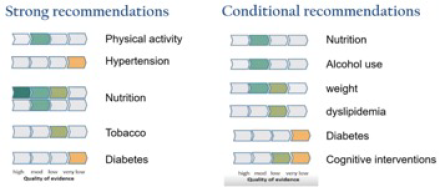 Figure 1. 9 risk factors of dementia, WHO
치매 예방을 위한 WHO guideline은 evidence base로 정해진 것이지만, 기존 연구 데이터들을 기반으로 하였기 때문에 주로 북미와 유럽에서 이루어진 연구들이 많아서 추후 특히 기타 지역에서의 나라나 지역별 risk factor prevalence나 local priority 등에 대한 반영이 필요할 것으로 보입니다. 또한, 이미 알려진 dementia risk factor라고 하더라도 각 항목마다 발표된 cohort 연구 수에 차이가 있고, age of exposure가 late life에 집중되어 있거나 follow up 기간이 10년 미만인 것이 대다수라서, 참고한 연구들 중 유효성이 검증되거나 검증 가능성을 보인 multidomain intervention finding에 따라서 risk factor의 우선순위에 고민이 필요할 수 있겠고, 사회적 요인, 환경적 요인들을 고려할 필요성도 있습니다.
-
The Lancet commission on dementia prevention, intervention and care 2020
2017년에 발표된 Lancet commission과 비교해서 2020년에 추가된 것은 세 가지 risk factor가 추가된 것과, dementia care에 대한 COVID-19의 영향 정도입니다. Risk factor는 기존 아홉 가지에서 traumatic brain injury, (air) pollution, alcohol을 추가하여 총 열 두 가지로, 특히 The Lancet commission에서는 early, mid, late life 시기로 나누어서 시기별 main risk factor를 소개합니다.
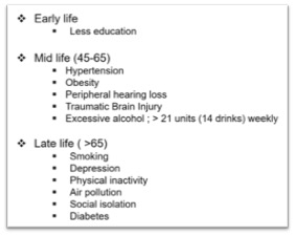 Figure 2. 12 risk factors of dementia, The Lancet commission
또한, risk factor에 대한 소개와 함께 LMIC (Low and Middle Income Country)에 속하는 국가를 주목할 필요성에 대해서도 강조하였는데, LMIC에서는 dementia 유병률이 higher income country에 비해 빠르게 증가하고 있고, 이는 life expectancy 및 risk factor burden 증가 때문으로 보고 있습니다. 앞서 WHO guideline에서도 언급된 바 있듯이, 기존 연구들은 대부분 북미나 유럽 등 higherincome country들에서 집중적으로 이루어져 있기 때문에, LMIC의 상황에 대한 연구가 이루어져야 그 나라에 해당하는 정확한 risk factor를 파악할 수 있고 이에 맞춤으로 intervention을 할 수 있기 때문에 해야 할 연구도 많고, prevention potential도 높아 LMIC에 대해 주목할 필요가 있습니다. The Lancet Commission의 특징은 life course에 따른 risk management를 강조하고 있고, 궁극적으로는 전 생애에 걸쳐 dementia risk reduction을 꾀하고자 하는 것인데 PAF (Population attributable fractions)라는 개념으로 reduction에 대해 이야기합니다. The Lancet Commission에서 제시한 총 열 두 가지 risk factor에 대한 total PAF는 40%로 이야기하고 있는데, 잠재적으로 이 열 두 가지 risk factor를 잘 조절하면 치매 환자를 최대 40%까지 줄여 볼 수도 있다는 것입니다. Life course에 따라 risk factor를 제안함과 동시에 이에 대한 intervention을 통해 dementia riskreduction을 도모해야 하는 것을 강조합니다. Early lie, 즉 45세 미만에서는 education이 중요하기 때문에 정책적으로도 접근이 필요한 영역이라는 점을 언급합니다. Mid-life에서는 특히 hypertension, hearing loss, obesity 관리에 대해, 65세 이상의 later life에서는 diabetes, physical activity 관리를 강조합니다. 결국, dementia prevention은 risk reduction 측면에서는 특정 연령대가 아닌, 전 생애에 걸쳐 고민해야 할 내용이고, 각각의 life course에 따라 중요한 risk factor가 변화할 수는 있지만 multidomain modification이 궁극적으로 필요하고, 개인의 노력 뿐 아니라 정책 차원에서도 검토가 되어야 한다는 것이 핵심입니다. COVID-19와 관련해서는, dementia 환자의 경우에는 나이, multimorbidity, dementia 자체 때문에 COVID-19에 특히 취약할 수 있고, 여자의 경우 COVID-19와 관련된 사망의 20%가 dementia 진단을 받은 기저 병력이 있던 것으로 보고된 바 있습니다. Dementia 환자가 왜 더 취약한지에 대해서는 dementia 환자의 경우 다른 사람에게 의지해서 도움을 받아야 하는 경우가 많기 때문에 타인과의 접촉 빈도 및 그 위험성이 높아서 일 것으로 현 시점에서는 파악하고 있습니다. LMIC 나라의 경우 COVID-19에 대한 진단 및 치료와 관련한 일련의 자원 부족으로 인해 COVID-19의 영향이 더 클 것으로 추정하고 있습니다.
-
Worldwide FINGERS
치매 예방을 위한 lifestyle multidomain intervention trial 중 FINGER (Finnish Geriatric Intervention Study to Prevent Cognitive Impairment and Disability)가 2년간의 intervention 이후 대조군에 비해 유의하게 인지기능의 향상을 보이는 성과를 보이면서, 전세계적으로 intervention for dementia prevention 이 힘을 얻게 되었고 WW FINGERS라는 전세계적인 연구 연대를 이루게 됩니다. 우리나라의 SUPERBRAIN을 포함, 2020년까지 전세계적으로 총 30여개의 intervention program이 등록되어 함께 하고 있습니다.
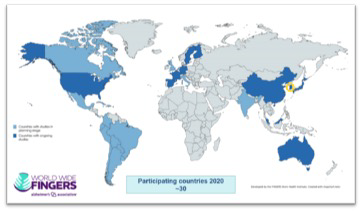 Figure 3. Worldwide FINGERS
각 intervention program별 특징은 reference로 소개해드린 논문을 참고하시면 용이하게 파악이 가능합니다. AAIC에서 새롭게 추가된 내용은, FINGER의 경우 기존에 계획했던 5년 추가 연구, total 7년 follow up 연구에서 더 연장하여 10year follow up을 계획 중이고, 특히 COVID-19 내용을 추가하여 진행 계획입니다. 2021년 follow up study에서는 MRI, PET (amyloid, synaptic density, neuroinflammation), CSF, serum p-tau-181, NFL, metabolimics 등을 포함, biomarker에 대한 분석도 언급될 예정입니다. FINGER의 계획과 함께, 각 intervention program별 현재 진행상황에 대한 보고가 이어졌고, 우리나라의 SUPERBRAIN도 6개월 중재 후 feasibility와 effectiveness에 대한 연구가 종료되어, 중재 프로토콜과 일부 연구 결과를 공개하였습니다 (under review).
WW FINGERS의 목적은 단순히 FINGER study의 protocol을 다른 나라, 다른 문화권에 적용하였을 때 그대로 재현되는지를 보는 수준이 아니라, 각 나라의 특성에 맞추어 risk factor target을 고민하고 이에 대한 intervention을 시행하여, 궁극적으로 global dementia risk reduction, prevention을 꾀하는 것입니다. WHO guideline이나 The Lancet commission에서도 이미 여러 번 언급되었던 것처럼, 특정 지역이나 나라에 한해서가 아닌, global guideline for dementia prevention을 제시할 수 있도록 하는 것이 궁극적인 목표일 것으로 생각됩니다
References
- WHO. Risk Reduction of Cognitive Decline and Dementia: WHO Guidelines. 2019
- Livingston, G., Huntley, J., Sommerlad, A. et al. Dementia prevention, intervention, and care: 2020 report of the Lancet Commission. Lancet 2020; 396:413-46
- Kivipelto, M., Mangialasche, F., Snyder, H.M. et al. World-Wide FINGERS Network: A global approach to risk reduction and prevention of dementia. Alzheimer’s Dement. 2020;16:1078-1094
Behavioral management: from Prevention to Intervention
창원경상대병원 김승주
-
Predictor of BPSD and caregiver burden in spousal caregivers of people with dementia: a longitudinal study, Brian Lawlor
- caregiver가 BPSD 치매 환자를 돌보는데 있어 어떤 특성들이 시기에 따라 care burden을 결정하는지 보여주는 longitudinal study로서 초기 (baseline)에는 환자와 caregiver의 연령(younger age), 성별(여), BPSD severity, time spent caring 및 환자의 ADL function이 영향을 미쳤지만 1년 뒤 f/u 때는 BPSD severity만이 결정적인 요인으로 작용함을 보여주었습니다.
-
Continuous palliative sedation in nursing home residents with dementia suffering from extreme refractory BPSD symptoms: a qualitative study, Raymond Koopmans
-
Extreme refractory BPSD를 가진 치매 환자들을 Continuous palliative sedation 시행하기로 결정하거나 결정되었을 때 고려해야 하는 사항들에 대해 강의한 내용이었습니다.
- Livia A et al. Continuous deep sedation until death in nursing home residents with dementia: a case series. J Am Geriatr Soc. 2013 Oct;61(10):1768-76
- Rogier H P D Van D et al. The practice of continuous palliative sedation in elderly patients: a nationwide explorative study among Dutch nursing home physicians. J Am Geriatr Soc. 2010 Sep;58(9):1671-8
-
-
The impact of green care farms and other innovative nursing home models on BPSD symptoms in everyday life for people with dementia, Hilde Verbeek.
- Typical nursing home에서의 환자 군과 green care farms and other innovative nursing home에서의 환자 군간에 BPSD 자체는 의미있는 효과 차이는 보이지 않았지만, daily life에서의 수행들에서 의미있는 개선을 보여주는 연구였습니다.
-
Defining agitation, apathy and other psychiatric symptoms in cognitive impairment and dementia: Why we need to intervene., Mary Sano
- BPSD에서 높은 빈도를 보여주는 agitation, apathy, psychosis에 대한 정의를 다시 확인하고 여러 임상연구자 간의 높은 consensus를 이루는 factor들로 다시 정의를 내려서 살펴보는 강의 였습니다.
References
- 1) Cummings J et al. Agitation in cognitive disorders: International Psychogeriatric Association provisional consensus clinical and research definition. Int Psychogeriatr. 2015 Jan;27(1):7-17
- 2) Jeste D V, Finkel S I. Psychosis of Alzheimer’s Disease and Related Dementias. Am J Geriatr Psychiatry. 2000;8(1):29-34